
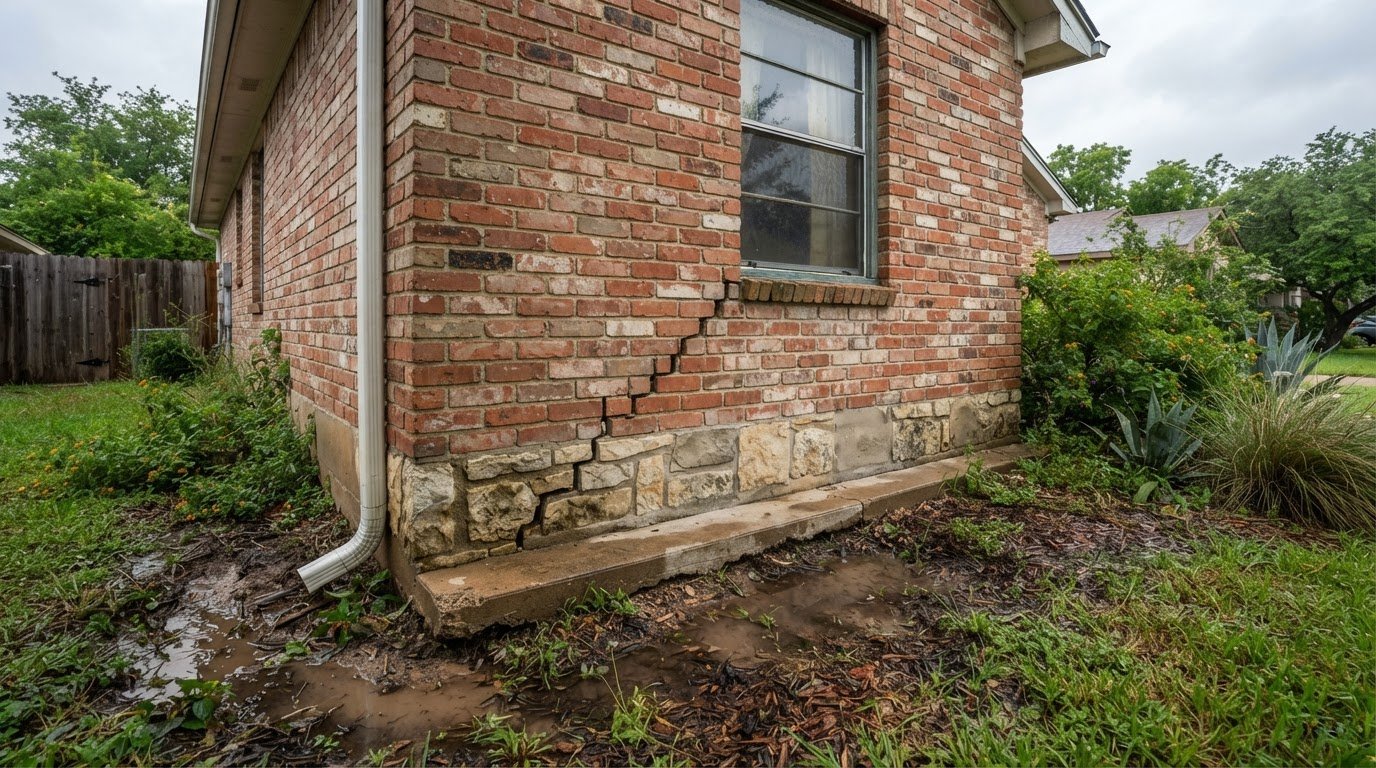
A small crack can be more than a cosmetic flaw. What happens if you don’t fix foundation problems? Continued movement may widen cracks, make floors uneven, cause doors to stick, damage plumbing, and let water into the home. Severe structural damage can put the home’s safety at risk.
It’s understandable to hope a crack or sticking door is only a minor nuisance. Not every sign points to serious foundation trouble, but changes over time and problems that affect how your home functions deserve attention. Learn how neglected issues can progress, why drainage and soil moisture matter, and which cracks, uneven floors, or stubborn doors may signal more than surface wear. Start by understanding what the signs can mean.
Key Takeaways
- Consider how long you plan to stay in or sell your home when weighing the timing of foundation repairs.
- Learn why drainage and changing soil moisture can influence foundation movement, including during freeze-thaw cycles.
- Look for patterns and changes over time rather than judging a foundation concern by one cosmetic mark alone.
- Understand how to distinguish surface-level signs from problems that affect how your home functions.
What Happens If You Don’t Fix Foundation Problems?
Understanding what happens if you don’t fix foundation problems starts with identifying the cause and whether movement is continuing. Delaying needed foundation repair can allow damage to spread through walls, floors, plumbing, and other parts of the home. The effects depend on the foundation’s condition and the forces acting on it.
Outcomes of Postponing Repairs
If soil movement continues, a small crack can become wider damage. Plumbing leaks may add water around the foundation, while shifting can leave doors unable to close properly and floors uneven. Addressing a problem earlier can limit further damage; waiting may make repairs more involved and expensive. Severe foundation damage can threaten the home’s safety. Knowing what happens if you don’t fix foundation problems helps you weigh the risks of continued movement.
Repair Timing and Future Home Plans
Your plans for the home can help you think about timing, but they don’t make active movement harmless. Unresolved foundation issues may reduce buyer interest or complicate a sale. If you plan to stay, pay attention to changes such as widening cracks or doors that have started to stick. Consider the home’s current condition, signs of change, and the possible consequences of waiting.
Foundation Problems and Home Safety
Severe shifting can damage a home’s structure and make it unsafe. Cracked walls, sagging floors, or a roof that begins to sag or leak can signal that movement affects more than appearance. Severe damage can increase the risk of partial or complete collapse. A small crack alone does not prove a home is unsafe, but worsening signs call for prompt professional evaluation.
There is no universal answer about whether homeowners must repair foundation problems; applicable local requirements and the property’s circumstances matter. Insurance coverage also depends on the policy and cause of damage, so a crack alone does not determine whether a claim is covered. Review the policy language for the stated cause and covered damage before relying on insurance.
A foundation repair contractor can assess the home’s condition and explain suitable repair options. For example, push or helical piers can stabilize a settling foundation by anchoring it into stable soil or bedrock. If water contributes to the problem, drainage changes or a sump pump may also be considered. An assessment describes the home’s condition at that time, not whether it will ever move again.
Drainage and water management
Water can change the soil supporting a home, contributing to settling, movement, and foundation damage. How moisture behaves depends partly on local soil and climate.
Soil and Water Causes
Changing moisture levels can alter the ground beneath or beside a home and contribute to foundation problems. Expansive clay can swell when wet and shrink as it dries, while erosion can remove support from beneath a foundation. These changes may cause uneven movement, visible as cracks or windows that no longer open smoothly.
Foundation risks and repair needs vary with soil type, climate, and region. Expansive soils and frequent moisture changes can contribute to continued movement, while the extent and location of damage affect the repair required.
Drainage and Foundation Upheaval
Drainage affects whether water collects near a foundation or moves away from it. Poor grading can leave water pooling beside the home, where repeated wetting and drying may contribute to soil movement. According to the U.S. Geological Survey, water expands by 9% when it freezes, creating pressure that can affect foundations.
Redirect runoff away from the home and grade soil so it slopes away to help reduce pooling. French drains can channel water away, while a sump pump can remove water from a basement or crawl space. Discharge should flow to a safe location far from the foundation, not collect beside it. Proper slope and grading of surrounding paved surfaces also play a key role, where concrete professionals like Santarossa Group ensure exterior flatwork and driveways direct surface runoff safely away from structural walls.
Water Intrusion, Pests, and Mold
Water entering through foundation cracks can leave damp areas where mold and mildew may grow. Persistent moisture in a basement or crawl space can also attract pests; rodents and insects may damage wiring, insulation, or wood. The effects can extend beyond the visible crack.
Water stains, musty odors, or damp surfaces near a foundation deserve attention, especially when they appear alongside settling or movement. A sump pump may help remove water from a basement or crawl space, but drainage and the source of intrusion also matter. If water-related movement is present, foundation repair can address the structural concern as part of a broader assessment.
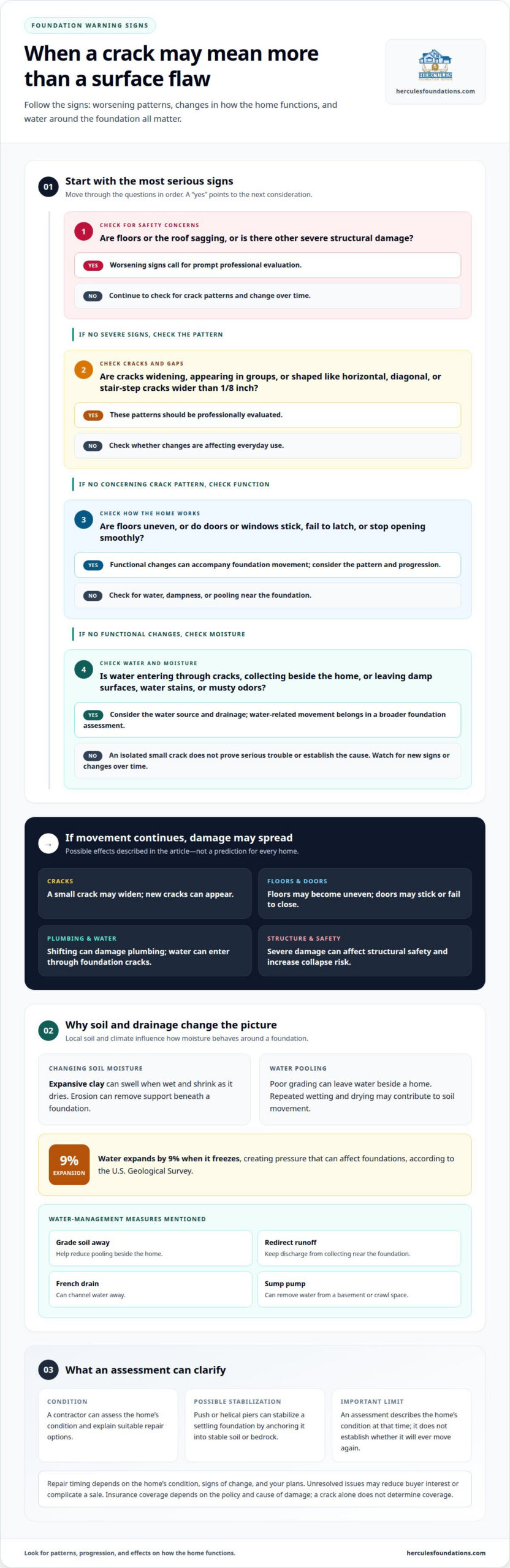
Signs of foundation problems, including cracks and sticking doors
Foundation movement can show up in several parts of a home, not just at its concrete base. Look for changes that appear together, worsen over time, or affect everyday use.
Cracks and Gaps as Signs of Problems
Cracks and gaps in a foundation can provide entry points for rodents and insects, which may damage wiring, insulation, and wood inside the home. Check for openings near the foundation and gaps around exterior door frames. Sticking doors or windows can occur alongside cracks when the structure shifts, though one sign alone does not establish the cause.
Minor Cracks and Severe Shifting
A small crack may remain minor, but widening cracks or several new cracks can signal continuing movement. Horizontal, diagonal, or stair-step cracks wider than 1/8 inch should be professionally evaluated. Severe shifting or sinking can affect more than appearance, contributing to uneven floors, doors that won’t latch, and structural damage. The pattern and progression matter when judging whether the concern may become costly.
Cracks in Walls, Floors, and Tile
Foundation movement may show up as cracks in interior walls, floors, ceilings, or wall tile. Stair-step cracks in brick or tile and diagonal wall cracks can be associated with foundation problems. Note where each crack appears and whether nearby surfaces also change. A wall crack alongside a sloping floor or a door that no longer closes properly deserves more attention than an isolated mark.
Monitoring Cracks and Uneven Areas
To monitor changes, record where cracks and uneven areas appear. Photograph each crack from the same angle and include a ruler for scale. Note the date, location, and whether nearby doors or windows operate normally. Compare later photos and notes for widening, new cracks, or worsening uneven floors. A professional evaluation can help interpret changes that persist or progress.
Cosmetic signs versus functional foundation problems
A cosmetic sign affects a finish; a functional sign changes how part of the home works. A hairline mark in paint, for example, differs from a door that suddenly rubs against its frame or will not latch. Appearance alone cannot establish the cause. The useful distinction is whether possible foundation movement appears alongside changes in stability, access, or normal household function.
Look at the pattern, not just one mark. A small drywall crack that stays unchanged differs from cracks appearing across a wall while nearby windows stick and floors slope. Stair-step cracks in brick, gaps around frames, or a door that no longer closes properly can point to movement affecting connected parts of the structure. Together, these signs give a clearer reason to seek a professional assessment than an isolated cosmetic blemish.
Functional problems can extend beyond doors and windows. A settling slab can be associated with plumbing trouble, including leaks beneath the home, while uneven floors can make it harder to move through a room. Water seeping near foundation cracks also matters: moisture can damage interior finishes and create conditions for mold. Consider drainage, plumbing symptoms, and visible cracks together rather than treating them as unrelated maintenance issues. For commercial properties facing widespread secondary wear across multiple trades, maintenance specialists like Service King Commercial handle ongoing repairs and facility upkeep alongside dedicated structural work.
Use a practical test: note whether a sign is stable, spreading, or interfering with use. Record a dated photo of a crack, then note changes in the same area, such as a widening gap or a door that begins sticking. A professional assessment can distinguish surface repair from a structural concern by considering the location and pattern of damage. If several signs appear together or function changes, have foundation concerns evaluated before cosmetic patching hides the pattern.
Hercules Foundation Repair
Hercules Foundation Repair helps homeowners address foundation problems with repair solutions suited to the structure and its needs. If cracks are spreading, floors are shifting, or doors no longer close properly, foundation repair can address structural concerns before further movement causes more damage. The right approach depends on the foundation type. Services include slab foundation repair, pier and beam foundation repair, and commercial foundation repair.
Recognizing a possible problem does not mean every crack needs the same repair. The important next step is connecting the signs in your home with an appropriate foundation solution. Contact Hercules Foundation Repair to discuss your foundation concerns.
Make a Clear Plan for Your Home
Foundation decisions are easier when they begin with a clear understanding of the home’s condition and your priorities as its owner. Consider what you’ve observed, how those changes affect daily use, and how they fit with your plans for the property. Understanding what happens if you don’t fix foundation problems can help you decide carefully instead of waiting as uncertainty grows.
Hercules Foundation Repair offers Foundation Repair, Slab Foundation Repair, and Pier and Beam Foundation Repair. The right option depends on the home’s foundation and the problem affecting it. A focused conversation can connect your concerns with a practical next step, without assuming every crack needs the same response.
Contact Hercules Foundation Repair to discuss what you’re seeing and consider a way forward. Taking a thoughtful step now can help you approach your home’s foundation with greater confidence.
Frequently Asked Questions
Can foundation damage affect my home’s value?
Yes, foundation problems can reduce a home’s value and make it harder to find a buyer. Unresolved movement may raise questions about the property’s condition during a sale. Keep records of professional assessments and completed repairs so you can explain the home’s history clearly. If you’re preparing to list, understanding the condition before setting expectations can help you plan your next steps.
What Are Signs of Foundation Issues?
Signs can include cracks in walls, floors, or ceilings, sticking doors or windows, sloping floors, and gaps around frames. Water pooling around the home or plumbing problems can also be clues. Homeowners in San Antonio, Austin, Houston, and Victoria can note where signs appear and whether they occur together. A cluster of changes is more informative than one isolated cosmetic mark.
Do I HAVE to Get My Foundation Repaired?
There is no yes-or-no answer that applies to every homeowner and property. Whether repair is required can depend on applicable local requirements and the circumstances. Separately, damage that affects structural stability or safe use deserves prompt attention, even before a sale. A professional foundation assessment can clarify the condition and explain repair options for the specific structure.
What are the signs of worsening foundation problems?
Worsening problems show a pattern of change: existing cracks widen, new cracks appear, or doors and windows become harder to operate. A floor that develops a more noticeable slope or a gap that grows around a frame also signals progression. Compare dated photos and notes from the same locations. Increasing change across several areas deserves professional attention.
How quickly can foundation damage get worse if left unrepaired?
There is no fixed timetable for foundation damage to worsen. Settlement can stop or continue as soil and moisture conditions change. Expansive soils and shifting moisture can contribute to ongoing movement, while a plumbing leak may add water around the foundation. The pace depends on these conditions, so one day’s snapshot cannot predict future movement.
What structural damage can untreated foundation problems cause?
Untreated movement can damage connected parts of a home, including walls, floors, and the roof. Shifting may also strain plumbing pipes, leading to leaks or breaks that affect nearby soil. Severe structural damage can compromise safety and increase collapse risk. The location and extent of movement help explain which parts of the building may be affected.