
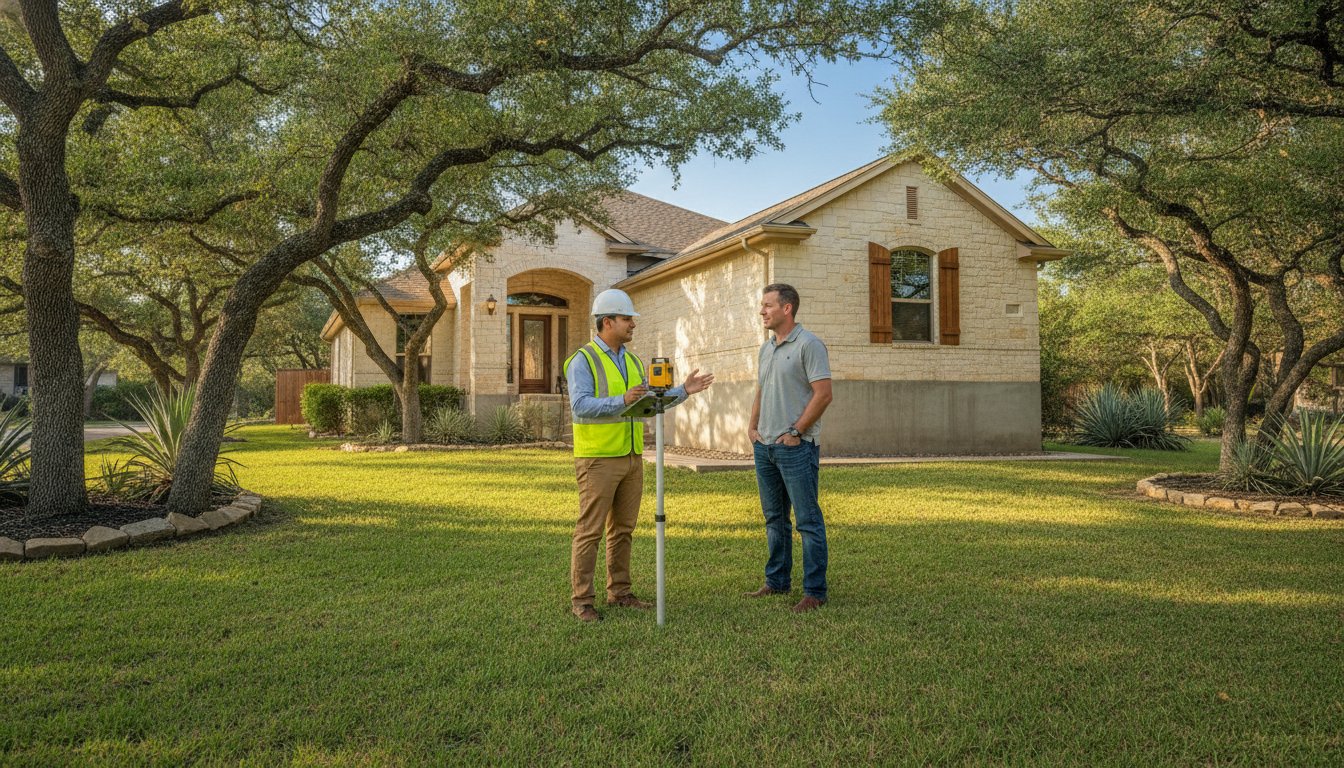
Did you know that San Antonio is currently ranked as the second-worst metropolitan area in the United States for residential foundation problems? If you have noticed cracks snaking across your drywall or doors that refuse to latch, you are not alone. Dealing with house leveling San Antonio challenges is a stressful reality for many in our community. Your house is likely your biggest investment, and the thought of it shifting on South Texas clay is enough to keep anyone awake at night. You want a home that feels solid under your feet, not a source of constant anxiety.
We understand that the technical side of foundation work can feel overwhelming with all the talk of pressed pilings and hydrostatic testing. This 2026 guide is designed to replace that confusion with clarity. You will learn how our local “plastic” soils impact your slab, which pier types actually hold up over time, and how to secure a transferable warranty that protects your resale value. We will break down the entire repair process so you can choose a contractor with confidence and finally restore the stability your family deserves.
Key Takeaways
- Understand why San Antonio’s unique “Blackland Prairie” clay causes structural movement and how to spot early warning signs before they escalate.
- Compare slab and pier and beam repair methods to determine which engineering approach is most effective for your home’s specific design.
- Learn how to evaluate contractors based on local tenure and the long-term security provided by a truly transferable warranty.
- Discover why the most reliable house leveling San Antonio projects begin with advanced digital mapping and precision altimeter inspections.
- Gain peace of mind by understanding the 2026 permitting requirements and engineering standards necessary for a stable, level home.
Understanding San Antonio Soil and the Need for House Leveling
House leveling is the technical process of restoring a home to its original state of structural equilibrium. For homeowners in Bexar County, this isn’t just a maintenance task; it’s a necessary response to our unique geology. San Antonio sits atop the “Blackland Prairie” clay, a soil type notorious for its high shrink-swell capacity. This means the ground beneath your feet behaves more like a living, breathing entity than a solid platform.
The primary culprit behind structural instability is the presence of expansive clay soils. These minerals absorb water greedily, swelling in volume and exerting thousands of pounds of pressure against your foundation. When the water evaporates, the soil shrinks back, leaving voids that cause the heavy concrete slab or wooden beams to drop. This cycle of South Texas droughts and heavy seasonal rains creates a “see-saw” effect that eventually compromises the integrity of the building.
Common signs that you may need house leveling San Antonio services include stair-step cracks in exterior brickwork, interior drywall fractures, and floors that feel noticeably sloped. You might also notice that doors suddenly refuse to latch or windows become difficult to slide. These aren’t just cosmetic annoyances. They are symptoms of a structure that is no longer level.
The Role of Moisture in San Antonio Foundation Failure
Moisture management is the key to foundation longevity. During our intense summer heat, evapotranspiration pulls moisture from the soil deep beneath your slab. This causes the perimeter of the home to sink faster than the center. On the flip side, heavy spring rains can cause “heaving” if your property has poor drainage, pushing the foundation upward in localized spots. While many neighbors suggest “watering the foundation” with soaker hoses, this practice is often misunderstood. If done incorrectly, it creates uneven moisture pockets that actually accelerate the need for repair.
When “Settling” Becomes a Structural Emergency
It is vital to distinguish between minor cosmetic settling and active structural failure. While every home experiences some movement, ignoring significant shifts can lead to ruptured plumbing lines, roof damage, and even total structural collapse. Differential settlement is the primary cause of San Antonio house leveling needs, occurring when different areas of the foundation sink or rise at varying rates. When this happens, the stress on the home’s frame becomes unsustainable, requiring professional intervention to stabilize the base and protect your investment.
Comparing Slab vs. Pier and Beam Leveling Methods
The type of house leveling San Antonio residents require depends entirely on how their home was built. Most modern suburban developments utilize slab-on-grade foundations, while historic neighborhoods often feature pier and beam systems. Regardless of the structure, the goal is underpinning. This process transfers the heavy load of your home from the shifting surface clay down to stable, deep soil layers or bedrock. Without reaching these deeper strata, any lift is likely to be temporary.
Slab Foundation Leveling Techniques
For concrete slabs, we use hydraulic jacks to carefully lift the foundation back toward its original elevation. The stability of this lift relies on the piers driven into the earth. Pressed concrete piers are a common, cost-effective choice in many South Texas neighborhoods. These consist of concrete cylinders driven into the ground using the weight of the house as leverage. Steel piers offer a more robust, long-term solution. These deep-driven, heavy-duty pipes reach much further into the ground, bypassing the active moisture zone where soil movement is most volatile. Whether we place these piers along the exterior perimeter or through the interior floor depends on where the settlement is most severe.
Pier and Beam Leveling: Navigating the Crawl Space
Homes in older San Antonio districts like King William or Monte Vista require a specialized touch. Pier and beam leveling focuses on the wooden skeleton beneath the house. Over decades, moisture trapped in the crawl space can cause wooden sills to rot and floor joists to sag. We address these issues by replacing damaged wood and using steel jacks or concrete blocks to relevel the floor. Shimming is also a critical step, where we use durable spacers to fine-tune the height of the beams. It’s also vital to ensure proper crawl space ventilation. Without it, humidity will eventually cause the new supports to shift or the wood to decay again.
For external surfaces like sinking patios, walkways, or driveways, we utilize concrete leveling techniques. Traditional mudjacking uses a heavy slurry of soil and cement to fill voids, but modern poly-leveling is often the superior choice. This method uses a lightweight, high-density foam that expands to fill gaps without adding extra weight to the already stressed soil. If you’ve noticed uneven floors or sticking doors, a professional assessment for slab foundation repair or pier and beam adjustment is the first step toward a permanent fix.
Choosing the Right House Leveling Contractor in San Antonio
Selecting a partner for house leveling San Antonio projects is a decision that affects the safety of your family and the value of your largest asset. In an industry where companies often disappear after a few years, local tenure is your best indicator of reliability. You should prioritize firms with at least 40 years of experience in the Texas market. These established contractors have seen every drought cycle and flood event the region has to offer, giving them the perspective needed to design a repair that actually lasts.
Beyond longevity, look for specialized expertise. A general home remodeler may understand how to hang drywall, but they lack the heavy equipment and engineering knowledge required for structural underpinning. Always verify that the contractor carries comprehensive insurance and works under the guidance of a licensed Professional Engineer. This oversight ensures that your repair plan meets the latest International Residential Code standards adopted by the City of San Antonio. A “lifetime” warranty is only as good as the company’s ability to stay in business; therefore, a transferable warranty is the gold standard, ensuring the protection follows the home even if it changes hands.
Red Flags to Avoid During the Hiring Process
Be wary of “door-to-door” sales representatives who appear suddenly after a heavy rainstorm. These “storm chasers” often lack a permanent local address and may vanish before the soil even finishes shifting. Another major warning sign is a contractor who refuses to provide a detailed structural plan. Without a clear map of pier placements and elevation readings, you have no way to verify the work. A reputable professional will always be transparent about their process and operate from a physical, local office right here in the community.
The Value of a Family-Owned Perspective
There is a unique level of accountability that comes with a family-owned business. With over 45 years of local history, companies like Hercules Foundation Repair treat every project as a reflection of their family legacy. This deep community connection means they understand neighborhood-specific soil challenges, from the rocky terrain of Stone Oak to the heavy clays of Converse. They don’t just see a job site; they see a neighbor’s home that needs protection.
When you search for San Antonio Foundation Repair Near Me, you aren’t just looking for a service provider. You are looking for a steadfast protector who will guide you through the complexities of structural repair. Working with a team that has deep roots in South Texas ensures that your home is leveled using methods proven to withstand our specific environmental cycles. This experience provides the peace of mind that comes from knowing your foundation is anchored by experts who have stood the test of time.

The Inspection Process: What to Expect in 2026
A professional inspection is the most critical phase of any house leveling San Antonio project. It is the moment where we transition from guessing to knowing exactly how your home is reacting to the soil. Our process begins with a comprehensive walkthrough, where we document exterior brick separations and interior drywall fractures. However, visual symptoms only tell half the story. To get the full picture, we utilize precision computer-calibrated electronic altimeter systems to map every inch of your floor plan.
Mapping Your Home’s Elevation
Using advanced technology like Ziplevel altimeters, we create a digital elevation map of your foundation. This “heat map” reveals the highs and lows of your slab with accuracy down to 0.1 inch. In many South Texas homes, a 1-inch drop across a large area might be within a normal range of seasonal movement. However, when we see a 3-inch drop or a sharp slope over a short distance, it signals a need for immediate intervention. A professional inspection identifies the “pivot point” of a sinking foundation, which is the stable area where the structure remains correctly seated while other sections shift. This data allows us to design a structural plan that shows exactly where each pier must be placed to restore balance.
Permits and Regulations in San Antonio
The City of San Antonio Development Services Department (DSD) enforces strict codes regarding structural repairs. As of 2026, the city follows the 2024 International Residential Code (IRC) with specific local amendments that require a foundation repair permit for any structural underpinning. You cannot simply drive piers and call the job finished. A Professional Engineer, known as the Engineer of Record, must submit construction documents and perform a final inspection to confirm the work meets safety standards. Hercules Foundation Repair handles these logistics for you, ensuring that every project is fully permitted and compliant with local law. This protects your home’s value and ensures a smooth process during any future real estate disclosures.
When you receive your quote, it will include a transparent breakdown of materials, labor, and the necessary permit fees. We believe in providing a clear roadmap so there are no surprises once the work begins. If you have noticed signs of movement, don’t wait for the problem to grow. You can schedule a professional foundation repair assessment today to get a clear, data-driven look at your home’s health.
Hercules Foundation Repair: San Antonio’s Stable Choice
Finding a permanent solution for house leveling San Antonio issues requires more than just technical skill; it requires a deep commitment to the community. Hercules Foundation Repair has been a fixture in South Texas since 1980. Over the last 45 years, we’ve built a legacy of stability by focusing on what we do best. While other companies might branch out into various home services, we remain specialized in slab, pier and beam, and commercial foundation repair. This singular focus ensures that every project receives the full benefit of our decades of experience. We serve homeowners across San Antonio, Austin, Houston, and Victoria, bringing consistent family-owned values to every neighborhood we enter.
Our Approach to Structural Stabilization
We believe that structural integrity shouldn’t be compromised by distractions. We don’t offer roofing, HVAC, or plumbing services because we’ve dedicated our lives to mastering foundation stabilization. By focusing strictly on foundation and concrete leveling, we ensure that our equipment, training, and expertise are always at the top of the industry. The Hercules guarantee isn’t just a piece of paper. It’s a promise backed by a family that has stood behind its work for generations. We take the stress out of the repair process, offering clear communication and a methodical approach that restores your peace of mind. Our team acts as an unwavering protector for your home, using the physical strength of our pier systems and the mental strength of our engineering knowledge to deliver results that last.
Schedule Your Free San Antonio Evaluation
Waiting for foundation issues to resolve themselves is a gamble that rarely pays off. In the volatile soils of San Antonio, a small crack today can become a major structural failure after the next heavy rain cycle. Proactive maintenance is always more cost-effective than emergency intervention. We invite you to take the first step toward a stable future for your home. Our professional evaluations are thorough and no-obligation, providing you with a clear understanding of your foundation’s current health. We’ve spent nearly half a century navigating the complexities of Texas clay, and we’re ready to put that knowledge to work for you. Protect your home today with Hercules Foundation Repair and ensure your investment is anchored for the next 45 years.
Securing Your Home’s Future in South Texas
Protecting your investment in Bexar County starts with a clear understanding of our unique environment. We’ve explored how the aggressive shrink-swell cycle of local clay demands a specialized approach to house leveling San Antonio. Whether your property requires deep-driven steel piers for a slab or the careful shimming of a historic pier and beam structure, the goal remains the same: long-term structural equilibrium. By prioritizing expert engineering and choosing a partner with a transferable warranty, you ensure that your home remains a safe haven for your family and a valuable asset for years to come.
At Hercules Foundation Repair, we’ve spent more than 45 years mastering the specific challenges of South Texas soils. As a family-owned business operating since 1980, we don’t just provide repairs; we offer the peace of mind that comes from specialized structural expertise. Don’t let foundation anxiety linger. Take a proactive step toward a stable, level home by reaching out to a team that understands your neighborhood as well as you do. Request Your Free Foundation Evaluation in San Antonio today. Your home deserves the protection of a steadfast partner who stands behind every pier we drive.
Common Questions About House Leveling in San Antonio
How much does house leveling cost in San Antonio in 2026?
The total investment for house leveling San Antonio projects depends on the specific variables of your property. We evaluate factors like the total number of piers required, the type of pier system chosen, and the depth needed to reach stable soil. Every home faces different challenges based on its location in Bexar County. Because each structural plan is custom, we provide a detailed evaluation to determine the most effective and permanent solution for your specific foundation needs.
Is house leveling the same as foundation repair?
House leveling is a specialized branch of foundation repair that focuses on lifting a structure back to its original elevation. While foundation repair is a broad term that includes stabilization to prevent further sinking, leveling specifically corrects the slopes and tilts caused by differential settlement. In the South Texas market, these terms are often used interchangeably because our active clay soil usually requires a combination of both deep stabilization and active lifting to restore the home’s integrity.
How long does the house leveling process typically take?
Most residential leveling projects are completed within one to three business days. The timeline depends on the size of the home and the number of piers we need to install. Our crew works methodically to excavate, drive the piers to the correct depth, and perform the lift with precision. We prioritize a clean job site and efficient workflow so you can return to your normal routine without a lengthy construction delay in your backyard.
Will house leveling fix the cracks in my drywall?
Lifting a home back to level often closes existing drywall cracks and improves the alignment of your doors and windows. However, house leveling is a structural fix, not a cosmetic one. We recommend waiting several weeks after the lift before you perform any patching or painting. This window allows the building’s frame to settle into its corrected position. Once the foundation is stable, your cosmetic repairs are much more likely to last without cracking again.
Can I stay in my home while it is being leveled?
You can typically remain in your home throughout the entire repair process. Most of our work happens on the exterior of the foundation, so there is very little disruption to your daily life inside. You will hear the sounds of our equipment and feel some vibrations while we drive the piers, but there’s no need to find temporary housing or move your furniture. We take great care to keep the site organized and your home accessible during the work.
Does home insurance cover house leveling in San Antonio?
Standard Texas homeowners insurance policies usually don’t cover house leveling caused by natural soil shrinkage or expansion. Coverage is typically only available if a sudden, covered event like a major plumbing line burst directly caused the foundation movement. It’s a good idea to review your specific policy or talk to your agent about foundation endorsements. Regardless of insurance, addressing movement early is the best way to prevent more expensive secondary damage to your roof and framing.
How often should I have my foundation inspected in South Texas?
We suggest a professional foundation evaluation every two to three years, or immediately following an extreme drought or flood cycle. Our local weather is notoriously hard on foundations, and catching minor shifts early can save you from a structural emergency later. We look for subtle indicators like sticking windows or hairline brick cracks that homeowners might miss. Regular checkups help you track the health of your home and ensure your foundation remains anchored and secure.
What is the difference between mudjacking and polyurethane leveling?
Mudjacking uses a heavy, wet slurry of cement and soil to fill voids, which adds significant weight to the already stressed clay beneath your home. Polyurethane leveling uses a lightweight, high-density foam that expands to fill gaps without adding bulk. In our local soil, foam is often the superior choice because it doesn’t wash away or shrink over time. It provides a more durable, long-term solution for sinking concrete slabs and restores structural balance much faster than traditional methods.